
How the cruise matcher helps
Most travelers do not actually need help choosing between "a cruise" and "not a cruise." They need help choosing the right cruise line. Norwegian, Disney, Royal Caribbean, Carnival, and Virgin Voyages all create completely different vacations even when the itinerary looks similar on paper.
This matcher is built to narrow that down fast. Pick the style that sounds most like your travelers and it will point you toward the cruise line that usually fits best. Then you can email Brandi with a smarter starting point.
Find your best cruise line
Answer a few quick questions and get a cruise-line recommendation built around the feel of the trip.
What kind of cruise energy do you want?
Choose the vibe first. That usually narrows the best-fit cruise line faster than anything else.
Royal Caribbean
Use this result when you email Brandi so the conversation starts with the right cruise line.
What each cruise line is best at
Norwegian Cruise Line
Best for travelers who want flexibility, freer dining, a more relaxed schedule, and a modern cruise feel without the trip feeling overly formal.
Disney Cruise Line
Best for families, Disney fans, and travelers who want premium service, polished entertainment, and a cruise that feels magical from check-in to final morning.
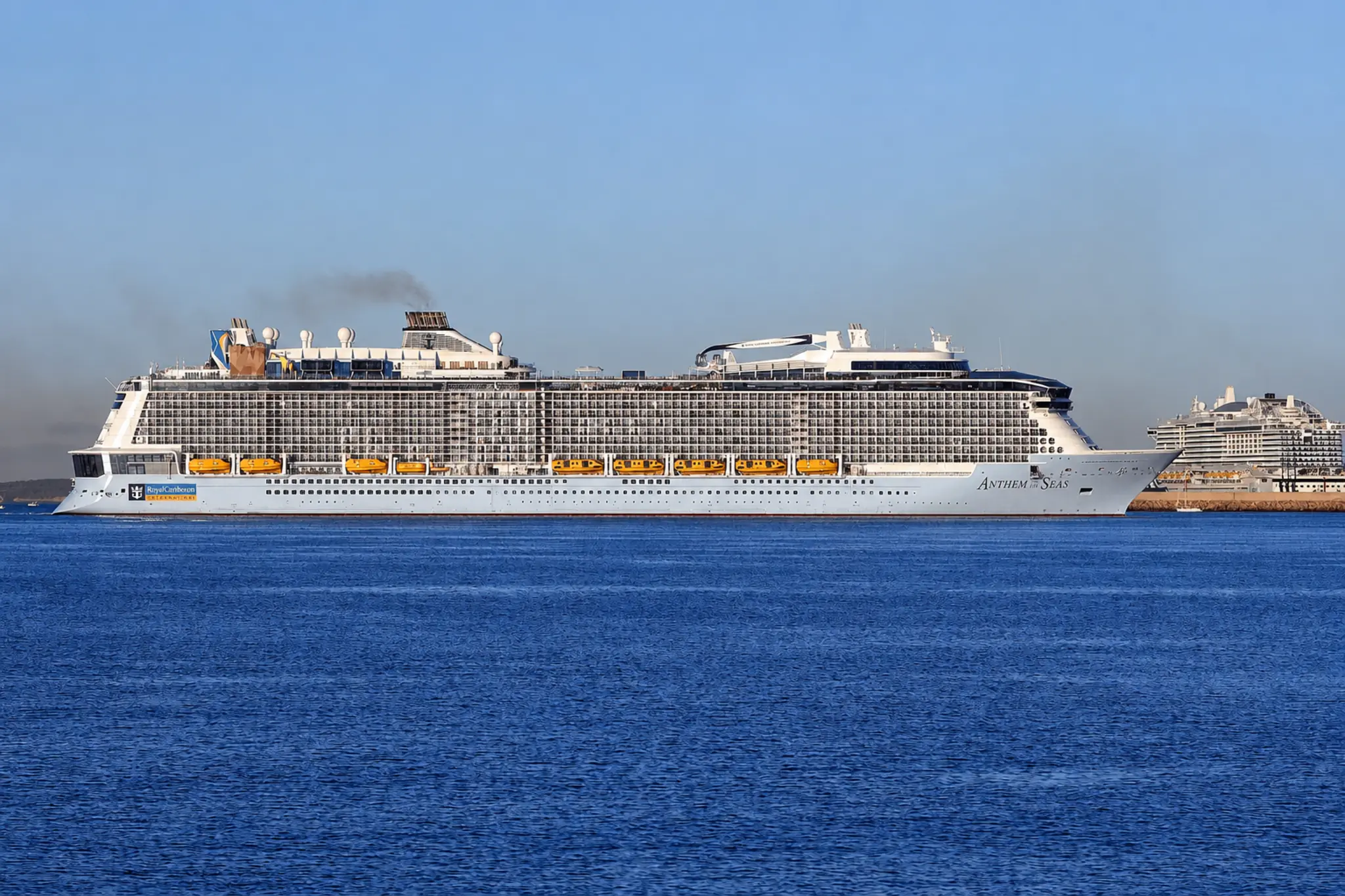
Royal Caribbean
Best for active families, groups, and travelers who want the ship to feel like part resort, part attraction, with plenty happening all day.
Carnival Cruise Line
Best for fun-first travelers, friend groups, and value-focused bookings that still want energy, nightlife, and a social atmosphere.
Virgin Voyages
Best for adults who want an adults-only, design-forward cruise with standout dining, wellness, nightlife, and a more modern atmosphere.
The decisions that change the trip the most
Cruise line first
This is the single biggest decision because it shapes the feel of the ship, the food rhythm, the onboard energy, the family mix, and whether the vacation feels premium, playful, flexible, or high-energy.
Ship size and onboard style
Some travelers want waterslides, shows, nightlife, and nonstop activity. Others want a smoother, less overstimulating trip. Bigger is not automatically better. Better fit is better.
Cabin type and location
The right cabin can change the quality of the whole cruise. For some travelers an inside cabin is the smart value move. For others, a balcony makes the trip feel far more worth it.
Port and pre-cruise logistics
Drive-to cruising can be easier and lower-stress. Fly-cruise itineraries can open better options, but they need smarter timing and more careful planning.
How Sand & Slopes makes cruise planning easier
A strong cruise plan is not just about grabbing a rate. It is about matching the traveler to the right line, the right departure style, the right itinerary length, and the right room category so the vacation feels smooth before you even board.
That is where better planning matters. You avoid bad-fit ships, avoid spending in the wrong places, and start with a cruise experience that actually matches your travelers.
Frequently asked cruise questions
Which cruise line is best for first-time cruisers?
That depends on what kind of first trip you want. Royal Caribbean is a strong first choice for activity and variety. Norwegian is excellent for flexibility. Disney is outstanding for families who want a premium experience. Carnival is often a strong value-first introduction. Virgin Voyages is a strong adults-only choice for travelers drawn to modern dining, design, wellness, and nightlife.
Which cruise line is best for families?
Disney and Royal Caribbean are usually the strongest family fits, but the right answer depends on your kids, your budget comfort, and whether you want the ship to feel more magical or more action-packed.
Which cruise line is best for couples?
Virgin Voyages is a standout for couples who want an adults-only, modern experience, while Norwegian also works well for couples who value flexibility. Royal Caribbean and Disney can be excellent depending on itinerary, timing, and ship choice.
Which cruise line is usually the best value?
Carnival often wins on upfront value, but real value depends on what is included, what you care about onboard, and whether a slightly higher fare creates a much better overall trip.